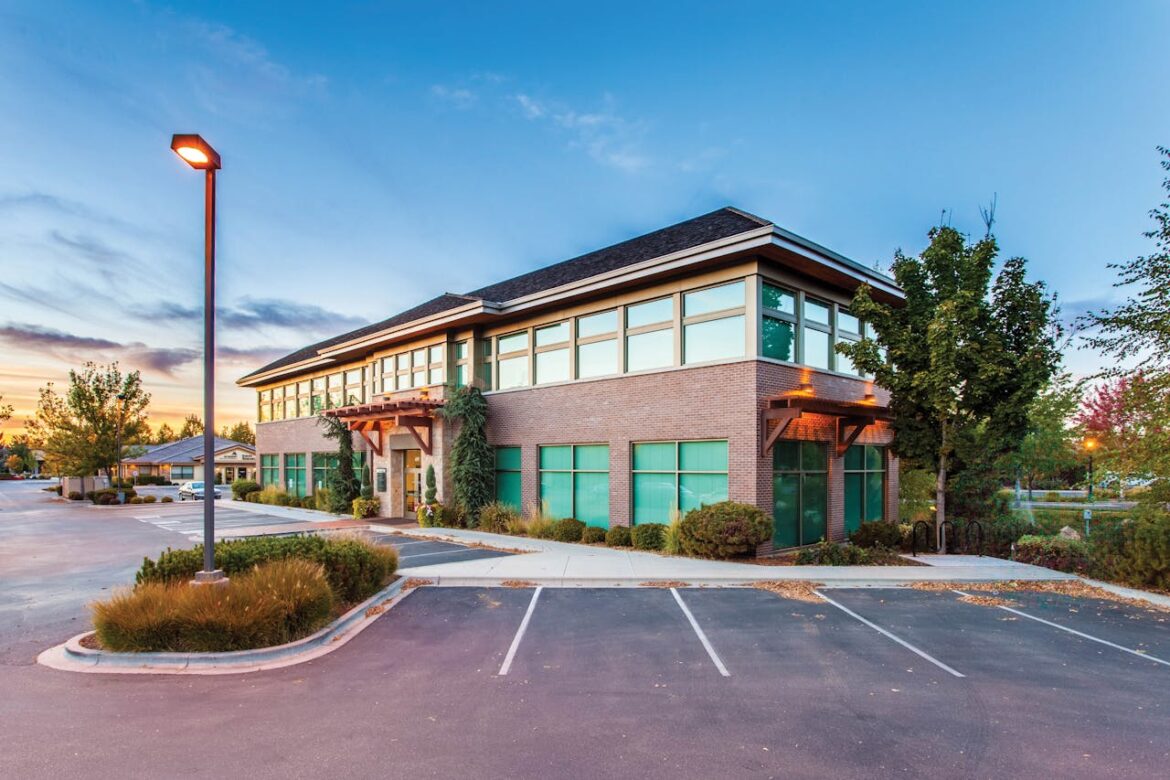
When it comes to securing a space for your business, the decision to buy or lease commercial property is a critical one. Both options come with unique benefits and potential drawbacks, and understanding these factors can help you choose the path that aligns best with your goals, finances, and long-term plans. By weighing the advantages and challenges of each approach, you’ll be better equipped to make a confident, informed decision.
Benefits of Buying Commercial Property
Purchasing commercial property offers a sense of stability and control. Once you own the space, you have the freedom to make renovations, expand facilities, and customize the environment to perfectly suit your business needs. Unlike leasing, you won’t face sudden rent increases or lease expiration deadlines that disrupt operations.
Buying can also be a solid long-term investment. As property values appreciate over time, owning your commercial space could result in significant equity growth. This appreciation, combined with the potential tax benefits—such as depreciation and interest deductions—can make ownership a financially advantageous choice in the long run.
Challenges of Buying
Despite its benefits, buying commercial property also has its challenges. The upfront costs are significantly higher than leasing. Down payments, closing costs, and ongoing maintenance expenses can quickly add up. Additionally, committing to a specific location means reduced flexibility. If your business outgrows the space or market conditions shift, selling or leasing out the property may be time-consuming and complex.
Owning a property also involves increased responsibility. Maintenance, repairs, and property management become your obligation, which can divert time and resources away from focusing on your core business.
Benefits of Leasing Commercial Property
Leasing is often the more flexible option, particularly for growing or evolving businesses. By leasing, you avoid the substantial upfront costs associated with buying and retain more capital to invest in other aspects of your business. The terms of leases can vary, allowing you to choose short- or long-term agreements based on your needs.
Leasing also simplifies property management. Landlords typically handle maintenance and repairs, freeing you to focus on running your business. This arrangement can be especially beneficial if you’re not ready to take on the added responsibilities that come with property ownership.
Challenges of Leasing
The primary drawback of leasing is the lack of equity building. Rent payments do not contribute to ownership, and over time, the total cost of leasing may exceed the upfront costs of purchasing a property. Additionally, lease agreements can include annual rent escalations, making long-term cost predictability more challenging.
You may also face limitations on how you can modify the leased space. Since you don’t own the property, major renovations or customizations often require landlord approval, which could delay or restrict your ability to adapt the environment to your needs.
Finding the Right Fit
Ultimately, the choice between buying and leasing commercial property depends on several factors. If you have the financial resources, a long-term vision for your business, and a clear understanding of the local real estate market, buying may offer greater stability and investment potential. On the other hand, if you value flexibility, lower upfront costs, and reduced management responsibilities, leasing might be the better option.