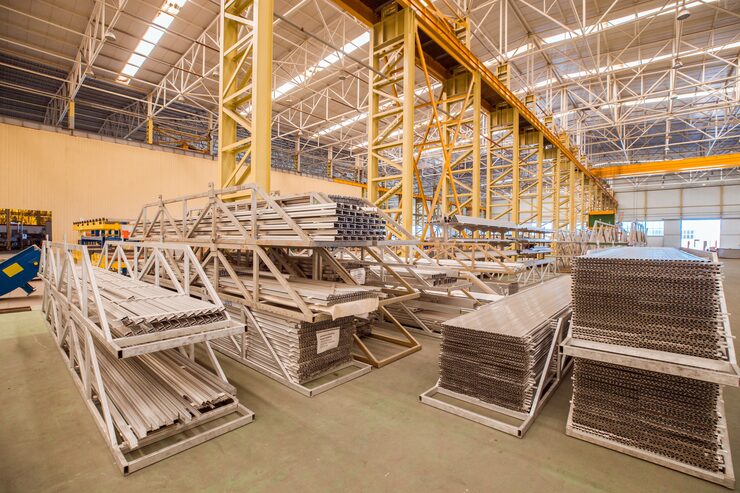
Steel has long been a trusted material in the construction industry for its unmatched strength, durability, and design flexibility. Whether it’s for commercial buildings, residential projects, or industrial facilities, steel structures offer solutions that are both practical and cost-effective. Two of the most common approaches are steel framing and conventional steel structures. Understanding their differences, benefits, and applications can help you make informed choices for your next construction project.
Understanding Steel Framing
Steel framing refers to the method of using steel columns, beams, and studs to create the structural framework of a building. Instead of relying on wood or other materials, the frame is entirely or primarily made of steel. This approach has gained popularity in recent decades, particularly in modern residential and light commercial construction.
Key Features of Steel Framing
- Lightweight yet strong – Steel framing can support heavy loads while being relatively light, reducing the pressure on the foundation.
- Precision engineering – Steel components are manufactured with exact dimensions, ensuring consistency in quality and fit.
- Pest and rot resistance – Unlike wood, steel is not affected by termites, mold, or warping.
- Design flexibility – Architects and engineers can create open spaces with fewer load-bearing walls.
Common Applications
Steel framing is widely used in:
- Low-rise and mid-rise buildings
- Warehouses
- Residential homes (especially in areas prone to termites or natural disasters)
- Retail and office spaces
Understanding Conventional Steel Structures
Conventional steel structures refer to traditional construction methods where hot-rolled steel sections are fabricated, welded, and bolted together to form the skeleton of large buildings. This method is most common in heavy industrial, high-rise, and large-scale commercial projects.
Key Features of Conventional Steel Structures
- High load capacity – Suitable for projects that require significant strength and stability.
- Long spans – Ideal for large spaces like factories, stadiums, and bridges.
- Custom fabrication – Steel sections can be designed to meet specific project requirements.
- Proven durability – Conventional steel structures can withstand extreme weather, seismic activity, and heavy usage.
Common Applications
This method is most often seen in:
- Industrial plants
- Multi-story buildings
- Large warehouses
- Infrastructure projects like bridges and airports

Steel Framing vs. Conventional Steel Structures
While both steel framing and conventional steel structures use steel as the primary building material, the differences lie in design approach, application, and scale.
| Feature | Steel Framing | Conventional Steel Structures |
| Scale | Best for small to medium projects | Best for large-scale, heavy-duty projects |
| Construction Speed | Faster due to prefabricated components | Slower due to on-site fabrication and assembly |
| Flexibility | High flexibility for interior layouts | High flexibility for large spans and unique shapes |
| Cost | Generally more affordable for smaller projects | More cost-effective for large, heavy-load projects |
Benefits of Using Steel in Construction
Regardless of whether you choose steel framing or conventional steel structures, there are universal benefits to building with steel:
- Durability
Steel is resistant to decay, pests, and many natural hazards. It retains its strength over time and requires minimal maintenance.
- Sustainability
Steel is one of the most recycled materials in the world. Choosing steel supports sustainable building practices without compromising quality.
- Fire Resistance
Steel does not burn, which makes it an excellent choice for improving the fire safety of a structure.
- Design Versatility
From sleek modern offices to massive industrial plants, steel allows for almost limitless architectural creativity.
- Cost Efficiency Over Time
While the initial cost may vary, steel structures often save money in the long term due to their longevity and low maintenance needs.
Factors to Consider Before Choosing a Steel Structure Type
When deciding between steel framing and conventional steel structures, keep these factors in mind:
- Project Size and Purpose – Small residential or commercial buildings often benefit from steel framing, while large industrial or infrastructure projects require conventional steel.
- Budget – Steel framing can be cost-effective for smaller projects, but conventional steel may offer better value for large-scale builds.
- Timeline – Prefabricated steel framing can speed up construction, which may be important for time-sensitive projects.
- Location – Consider environmental factors such as humidity, seismic activity, and wind loads.
- Future Expansion – Both methods allow for expansion, but conventional steel structures often handle large-scale modifications better.
Installation Process Overview
While each project is unique, the general process for building with steel follows these steps:
- Design and Engineering – Engineers create detailed blueprints, including load calculations.
- Fabrication – Steel parts are manufactured, either as lightweight framing components or large sections for conventional structures.
- Transportation – Prefabricated components are delivered to the site.
- Assembly – Using cranes, bolts, and welds, the steel structure is erected.
- Finishing – Walls, roofing, and other elements are added to complete the building.
Conclusion: Choosing the Right Steel Solution
Steel remains one of the most reliable, adaptable, and future-ready materials in construction. Steel framing is perfect for those seeking speed, precision, and versatility in small to mid-sized projects, while conventional steel structures are the go-to choice for large-scale, high-load applications.
By understanding their strengths and uses, you can select the method that best fits your project goals, budget, and timeline. Whether you’re building a compact office or a massive industrial facility, the right steel structure will provide safety, longevity, and unmatched performance.
For expert guidance and quality materials, Western Steel offers trusted solutions to meet your construction needs.